
As we navigate through the 21st century, the rise of e-commerce has undeniably transformed the retail landscape. Gone are the days when shopping meant physically visiting a store; now, we can browse, compare, and purchase products from the comfort of our homes. This shift has not only changed consumer behavior but has also compelled traditional retailers to rethink their strategies. The convenience of online shopping, coupled with the vast array of options available at our fingertips, has made it an integral part of our daily lives. We find ourselves increasingly drawn to the ease of clicking a button rather than navigating crowded aisles.
Moreover, the pandemic accelerated this trend, as many of us turned to online shopping out of necessity. Retailers who had previously relied solely on brick-and-mortar sales were forced to adapt quickly, often launching or enhancing their online platforms. This rapid evolution has led to a more competitive market, where businesses must not only offer quality products but also exceptional online experiences. As we continue to embrace e-commerce, we witness a shift in how brands engage with us, focusing on digital marketing strategies that resonate with our preferences and shopping habits.
The Role of Technology in Retail: From AI to Virtual Reality
Technology plays a pivotal role in shaping the retail industry today. From artificial intelligence (AI) to virtual reality (VR), innovations are redefining how we interact with brands and make purchasing decisions. AI algorithms analyze our shopping behaviors, enabling retailers to offer personalized recommendations that cater to our unique tastes. This technology not only enhances our shopping experience but also helps retailers optimize their inventory and marketing strategies. As we engage with brands that utilize AI, we notice a more tailored approach that makes us feel valued as consumers.
Virtual reality is another exciting frontier in retail technology. Imagine stepping into a virtual store where we can explore products in a 3D environment without leaving our homes. This immersive experience allows us to visualize how products will fit into our lives, making it easier to make informed decisions. Retailers are increasingly adopting VR to create engaging experiences that captivate us and encourage us to explore their offerings. As technology continues to evolve, we can expect even more innovative solutions that enhance our shopping experiences and redefine the retail landscape.
Personalization in Retail: How Data Analytics is Transforming the Customer Experience
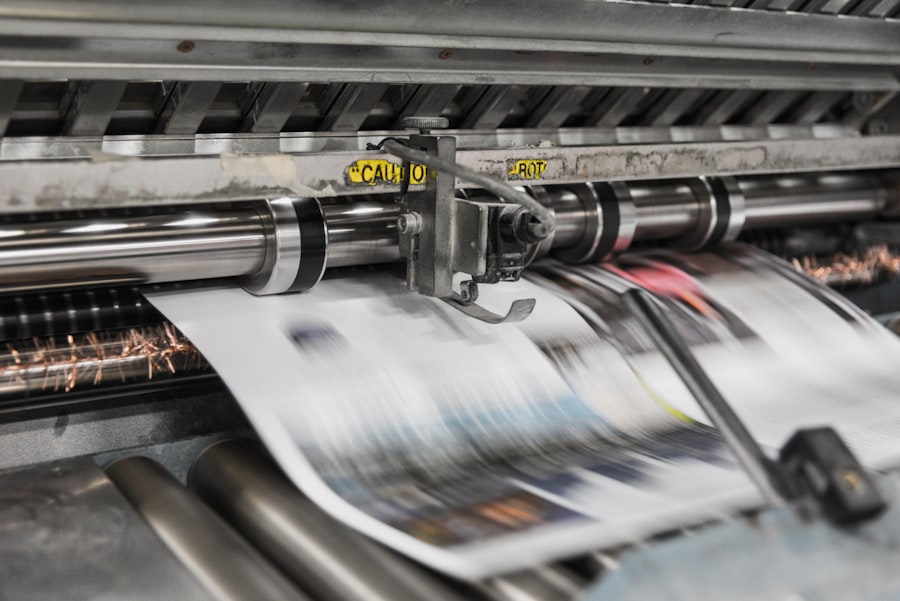
In an age where data is king, personalization has become a cornerstone of modern retail. Retailers are harnessing the power of data analytics to understand our preferences and behaviors better than ever before. By analyzing our past purchases, browsing history, and even social media interactions, brands can create tailored experiences that resonate with us on a personal level. This level of customization not only enhances our shopping experience but also fosters brand loyalty, as we feel more connected to retailers that understand our needs.
As we engage with personalized marketing campaigns, we often find ourselves receiving recommendations that align perfectly with our interests. Whether it’s a curated selection of products based on our previous purchases or targeted promotions that speak directly to us, this data-driven approach makes shopping more enjoyable and efficient. Retailers who invest in data analytics are not just improving their bottom line; they are also creating meaningful connections with us as consumers, ultimately transforming the way we perceive and interact with brands.
The Importance of Sustainability in Retail: How Eco-friendly Practices are Shaping the Future of Shopping
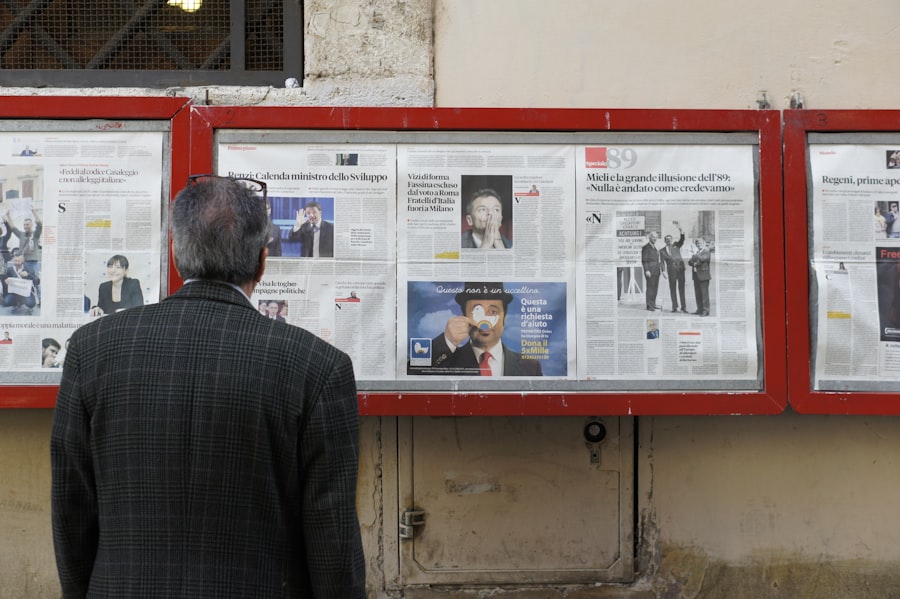
Sustainability has emerged as a critical consideration in the retail industry, reflecting our growing awareness of environmental issues. As consumers, we are increasingly seeking out brands that prioritize eco-friendly practices and demonstrate a commitment to sustainability. This shift is prompting retailers to adopt greener practices, from sourcing materials responsibly to reducing waste in their supply chains. We find ourselves gravitating toward companies that align with our values, making conscious choices about where we spend our money.
The importance of sustainability extends beyond just product offerings; it encompasses the entire shopping experience. Many retailers are now implementing initiatives such as recycling programs and sustainable packaging options to minimize their environmental impact. As we support these efforts, we contribute to a larger movement toward responsible consumption. The future of retail will undoubtedly be shaped by our collective demand for sustainability, pushing brands to innovate and adapt in ways that prioritize both profit and planet.
The Evolution of Brick-and-Mortar Stores: Adapting to the Digital Age
| Media Outlet | Type | Monthly Reach (Millions) | Average Engagement Rate (%) | Primary Audience | Geographic Focus |
|---|---|---|---|---|---|
| PR Newswire | Press Release Distribution | 5.2 | 3.5 | Journalists, Corporations | Global |
| Business Wire | Press Release Distribution | 4.8 | 3.2 | Investors, Media | Global |
| GlobeNewswire | Press Release Distribution | 3.5 | 2.8 | Corporations, Media | North America, Europe |
| PRWeb | Online Press Release | 2.1 | 4.0 | Small Businesses, Startups | Global |
| Marketwired | Press Release Distribution | 1.9 | 3.0 | Corporations, Investors | North America |
While e-commerce continues to rise, brick-and-mortar stores are not disappearing; rather, they are evolving to meet the demands of the digital age. We see many retailers reimagining their physical spaces as experiential hubs where we can engage with products in new and exciting ways. These stores are no longer just places to make transactions; they are designed to create memorable experiences that draw us in and encourage us to explore.
To adapt to this changing landscape, retailers are integrating technology into their physical stores. From interactive displays to mobile payment options, these innovations enhance our shopping experience and bridge the gap between online and offline retail. As we visit these transformed spaces, we appreciate the blend of technology and personal interaction that makes shopping more enjoyable. The evolution of brick-and-mortar stores reflects a broader trend toward creating environments that cater to our needs as consumers while embracing the advantages of digital advancements.
The Impact of Social Media on Retail: Leveraging Influencer Marketing and Customer Engagement
Social media has revolutionized how we discover and engage with brands. Platforms like Instagram and TikTok have become powerful tools for retailers looking to connect with us on a personal level. Influencer marketing has emerged as a key strategy for brands seeking to reach younger audiences, as we often trust recommendations from individuals we admire more than traditional advertising. This shift has led retailers to collaborate with influencers who align with their brand values, creating authentic connections that resonate with us.
As we scroll through our feeds, we encounter curated content that showcases products in relatable contexts. This visual storytelling not only captures our attention but also inspires us to make purchases based on what we see online. Retailers are leveraging social media not just for promotion but also for customer engagement, creating communities around their brands where we can share experiences and feedback. The impact of social media on retail is profound, shaping how we discover products and interact with brands in ways that were unimaginable just a few years ago.
The Future of Payment Methods: Contactless, Mobile, and Cryptocurrency
The way we pay for goods and services is undergoing a significant transformation as technology continues to advance. Contactless payments have gained popularity due to their convenience and speed, allowing us to complete transactions with just a tap of our cards or smartphones. This shift toward mobile payments reflects our desire for seamless shopping experiences that minimize friction at checkout. As retailers adopt these technologies, we find ourselves enjoying faster transactions and enhanced security features.
Cryptocurrency is another emerging trend that is beginning to influence retail payment methods. While still in its infancy, the acceptance of digital currencies like Bitcoin is gaining traction among forward-thinking retailers. As we become more familiar with cryptocurrencies, we may find ourselves using them for everyday purchases in the near future. The evolution of payment methods is reshaping how we approach spending, making transactions more efficient while offering us greater flexibility in how we choose to pay.
The Emergence of Pop-Up Shops and Experiential Retail: Creating Unique and Memorable Shopping Experiences
In response to changing consumer preferences, pop-up shops have emerged as a creative solution for retailers looking to engage with us in unique ways. These temporary retail spaces allow brands to test new markets or showcase limited-edition products while creating a sense of urgency among consumers. As we explore these pop-up experiences, we appreciate the novelty and excitement they bring to shopping, often leading us to discover new brands or products we might not have encountered otherwise.
Experiential retail goes beyond traditional shopping by immersing us in interactive environments that stimulate our senses. From workshops and events to immersive installations, these experiences create lasting memories that foster brand loyalty. As retailers embrace experiential strategies, they recognize that creating emotional connections with us is essential for standing out in a crowded market. The emergence of pop-up shops and experiential retail reflects a broader trend toward prioritizing meaningful interactions over mere transactions.
The Role of Supply Chain Innovation: Streamlining Logistics and Inventory Management
Behind every successful retail operation lies an efficient supply chain that ensures products reach us in a timely manner. Supply chain innovation has become increasingly important as retailers strive to meet our expectations for fast delivery and product availability. By leveraging technology such as automation and data analytics, retailers can streamline logistics and inventory management processes, reducing costs while improving service levels.
As consumers, we benefit from these advancements through quicker shipping times and better stock availability. Retailers who invest in supply chain innovation are better equipped to respond to fluctuations in demand and adapt to changing market conditions. This agility not only enhances our shopping experience but also positions brands for long-term success in an ever-evolving retail landscape.
The Influence of Generation Z on Retail: Understanding and Meeting the Needs of the Next Generation of Consumers
Generation Z is reshaping the retail landscape as they enter adulthood and become significant consumers in their own right. This generation values authenticity, sustainability, and social responsibility more than any before them. As retailers seek to capture their attention, they must understand what drives Gen Z’s purchasing decisions and tailor their strategies accordingly. We see brands embracing transparency and ethical practices as they strive to connect with this socially conscious demographic.
Moreover, Gen Z’s affinity for technology means that retailers must prioritize digital engagement across multiple platforms. From social media marketing to mobile shopping experiences, brands must meet Gen Z where they are most active online. As this generation continues to influence trends and shape consumer behavior, retailers must adapt quickly or risk being left behind in an increasingly competitive market.
The Shift in Retail Employment: Embracing Automation and Remote Work Opportunities
The retail industry is experiencing a significant shift in employment dynamics as automation becomes more prevalent. While some may view this as a threat to traditional jobs, it also presents opportunities for new roles focused on technology management and customer experience enhancement. As retailers adopt automated systems for inventory management or customer service chatbots, they can allocate human resources toward more complex tasks that require creativity and emotional intelligence.
Additionally, the rise of remote work opportunities has changed how many of us view employment in retail. With the ability to work from home or flexible locations, employees can enjoy better work-life balance while contributing to their organizations’ success from afar. This shift not only benefits workers but also allows retailers to tap into a broader talent pool without geographical limitations.
In conclusion, the retail landscape is undergoing profound changes driven by e-commerce growth, technological advancements, consumer preferences for personalization and sustainability, and evolving employment dynamics. As we navigate this new era of retail together, it is clear that adaptability will be key for both consumers and businesses alike in shaping the future of shopping.